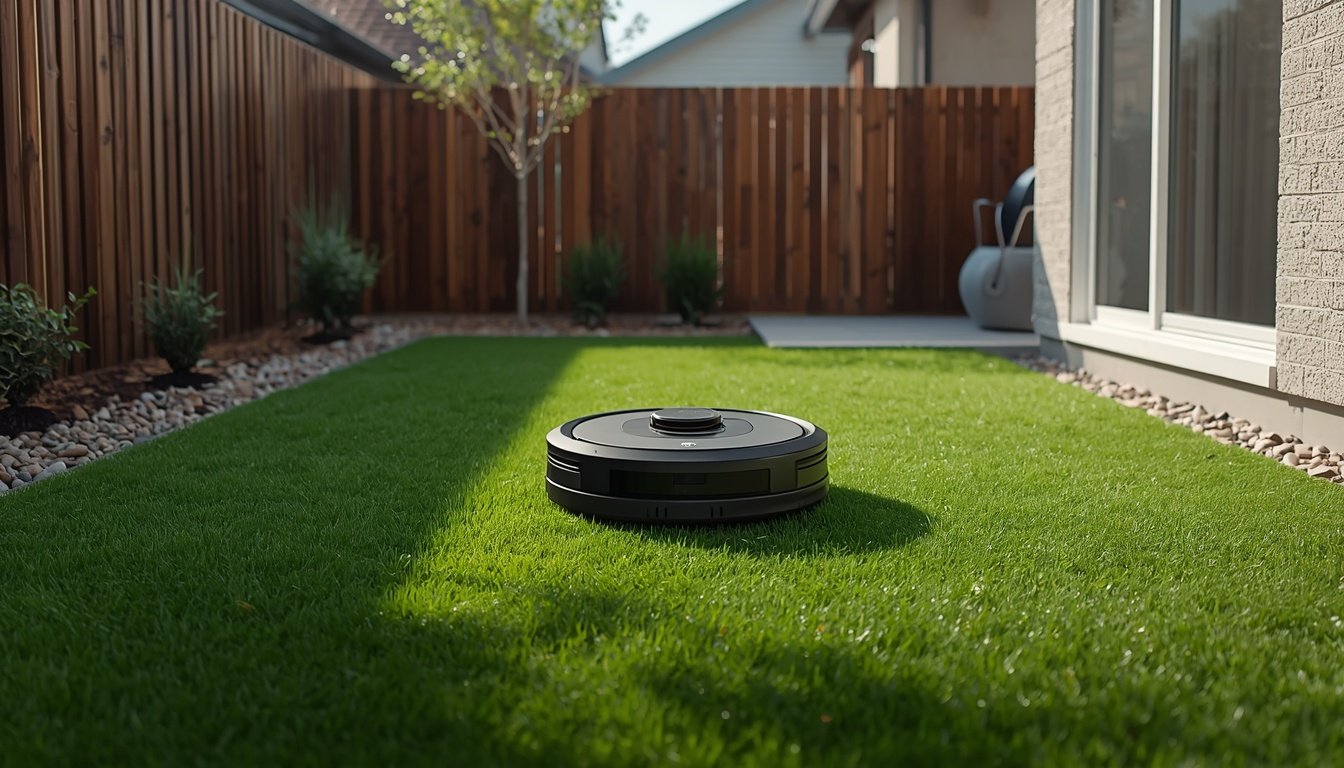
Wire-free robot lawn mowers are changing the way homeowners automate lawn care. Instead of relying on a buried perimeter cable, modern models can use technologies such as RTK positioning, LiDAR, cameras, GPS, sensors and virtual mapping to understand where to mow.
Wire Free Robot Mower Guide is dedicated to helping homeowners understand these systems, compare their options and choose a mower that suits their actual lawn. Whether you are researching your first robot lawn mower without perimeter wire or trying to solve a navigation or setup problem, the guides below will point you in the right direction.
Start With the Complete Wire-Free Robot Mower Guide
If you are new to wire-free mowing, start with our Complete Guide to Wire-Free Robot Lawn Mowers. It explains the main technologies, how virtual boundaries work, what these mowers can and cannot do, and the most important things to consider before choosing one.
You can also read How Do Wire-Free Robot Mowers Work? for a simpler explanation of how a mower can navigate a lawn without following a physical perimeter wire.
Understand RTK, LiDAR and Wire-Free Navigation
Navigation is one of the biggest differences between modern robot lawn mowers. Some models rely heavily on satellite-based RTK positioning, while others use LiDAR, camera vision or a combination of several technologies.
Our RTK and LiDAR Explained for Robot Lawn Mowers guide breaks down these systems in practical terms, including where each technology works well and what limitations to consider.
This is especially important if your lawn contains trees, buildings, garden beds, narrow passages or other features that can make navigation more difficult than mowing a simple open rectangle of grass.
Choose a Robot Mower for Your Lawn
The best wire-free robot mower is not automatically the model with the longest feature list. Lawn size, slopes, tree cover, obstacles, separate mowing zones, narrow passages and ground conditions can all affect which mower is suitable.
Use our guide to choosing the right wire-free robot mower for your lawn size and type to work through these factors before comparing individual models.
- Small, medium and large lawns need different coverage capacity.
- Steep or uneven lawns may require stronger traction or AWD.
- Tree-heavy lawns can place greater demands on navigation systems.
- Complex yards may need reliable multi-zone mapping and obstacle detection.
- Paths, gates and separate front and back lawns can affect setup.
Matching the mower to the lawn first can help you avoid paying for features you do not need — or discovering that an impressive-looking mower is not well suited to your property.
Compare the Best Wire-Free Robot Lawn Mowers
If you are ready to compare products, start with our Best Wire-Free Robot Lawn Mowers buying guide.
If avoiding boundary cable is your main priority, see Best Robot Lawn Mower Without Perimeter Wire. This guide focuses specifically on modern mower options designed around virtual boundaries and wire-free setup rather than the traditional cable installed around the edge of a lawn.
Our buying guides are designed to help you match products to real use cases rather than simply choosing the mower with the biggest specifications or the most impressive marketing claims.
Setup and Install a Wire-Free Robot Mower
Wire-free does not mean setup-free. A modern robot mower may still need a suitable charging station location, lawn mapping, virtual boundaries, no-go zones, app configuration and, for some systems, careful positioning of an RTK base station.
Our How to Install a Wire-Free Robot Mower guide explains the process from preparing the lawn through to mapping and testing the mower’s first runs.
Taking a little extra time during setup can help prevent problems such as missed areas, inaccurate boundaries, docking trouble and unreliable navigation later.
Troubleshoot Common Robot Mower Problems
Even a well-chosen mower can occasionally lose its position, struggle to dock, report boundary errors, lose GPS or RTK connection, become stuck or behave differently after a software update.
Our Wire-Free Robot Mower Troubleshooting Guide is the main starting point when something is not working correctly. From there, you can find more detailed guides covering individual navigation, mapping, charging and performance problems.
Are Wire-Free Robot Mowers Worth It?
A wire-free robot mower can remove much of the repetitive work involved in keeping a lawn regularly trimmed, but these machines are not the right solution for every property or budget.
Purchase price, replacement blades, batteries, accessories, possible subscriptions and the amount of manual trimming still required should all be considered. Our guide to whether wire-free robot mowers are worth the cost looks at the decision in more detail.
Explore Wire-Free Robot Mower Guides
Wire Free Robot Mower Guide covers the full ownership process — from understanding RTK, LiDAR and virtual boundaries to choosing a mower, setting it up, troubleshooting problems and comparing models for different types of lawns.
If you are researching a specific question, browse the latest wire-free robot mower guides, or begin with the Complete Guide to Wire-Free Robot Lawn Mowers.